 Pin It
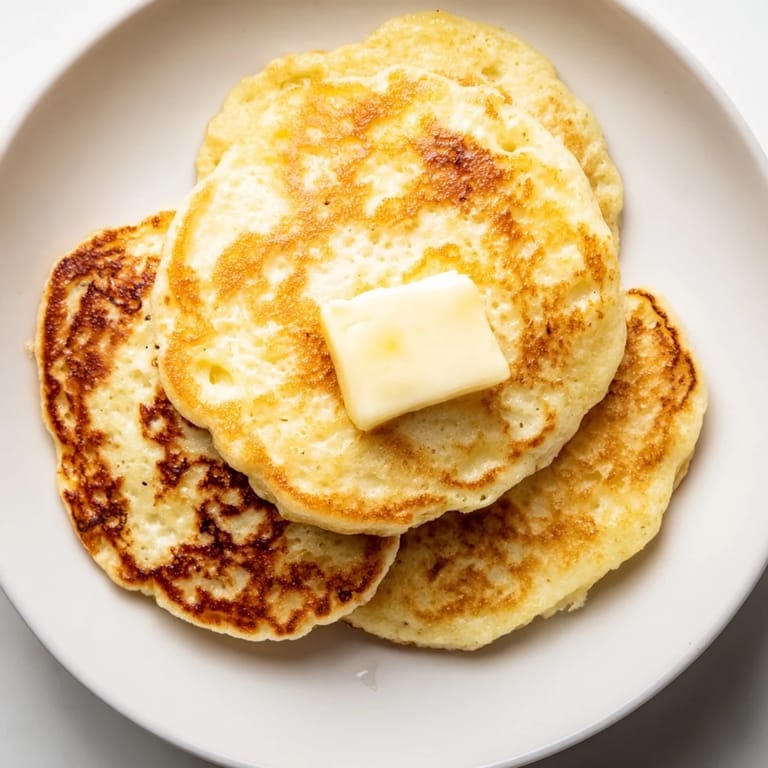
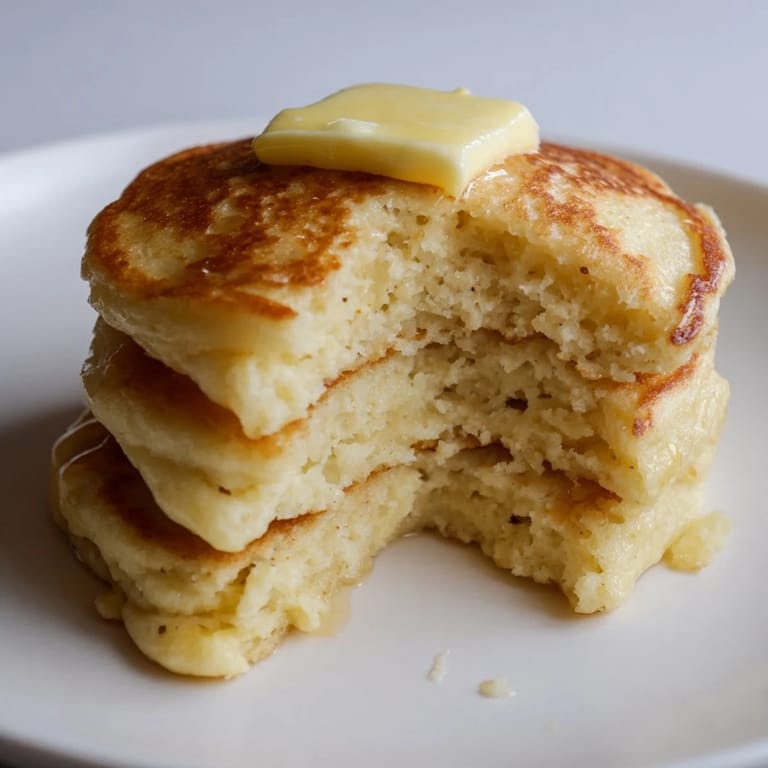
 One Sunday morning, my roommate showed up with a carton of cottage cheese and a challenge: make something that doesn't taste like health food. These pancakes were born from that conversation—soft, pillowy, and rich in a way that surprised us both. The cottage cheese dissolves into the batter, creating a tender crumb that regular pancakes can't match, while keeping everything light enough that you can eat a full stack without feeling weighed down.
I've made these for a dinner party disguised as brunch, and people always asked for the recipe—not because they tasted healthy, but because they genuinely wanted to know what made them so different. There's something about serving homemade pancakes that shifts the whole mood of a morning, like you've set aside time for something that matters.
Ingredients
- Cottage cheese: Full-fat versions create a richer texture, but low-fat works too and keeps things lighter if that's your preference.
- Milk: This helps loosen the thick cottage cheese base into a spreadable batter.
- All-purpose flour: Use fresh flour if possible—old flour can make pancakes dense and flat.
- Sugar: Just enough sweetness to balance the tang of the cheese without overshadowing it.
- Baking powder: The real star here—it gives you those lift and those pockets of air throughout.
- Salt: A small pinch that somehow makes the whole thing taste better.
- Eggs: These bind everything and contribute to the tender crumb texture.
- Vanilla extract: A quiet ingredient that rounds out the flavor profile.
- Butter or neutral oil: Use whichever you prefer for cooking—butter adds richness, oil keeps them slightly crisper on the edges.
Tired of Takeout? 🥡
Get 10 meals you can make faster than delivery arrives. Seriously.
One email. No spam. Unsubscribe anytime.
Instructions
- Blend the wet base:
- Whisk cottage cheese, eggs, milk, and vanilla in a large bowl until mostly smooth. A few small curds left behind are fine—they'll add texture. You're looking for a texture that's looser than cottage cheese alone but still thick enough to hold together.
- Mix the dry ingredients:
- In a second bowl, whisk flour, sugar, baking powder, and salt. Keeping them separate for a moment prevents overmixing, which is how you end up with tough, gummy pancakes.
- Combine gently:
- Pour the wet mixture into the dry, and stir just until you don't see streaks of flour anymore. The batter should be thick and slightly lumpy—think of it as barely mixed rather than fully blended. Stop as soon as you can.
- Heat your cooking surface:
- Set a nonstick skillet or griddle over medium heat and let it warm for a couple of minutes. You'll know it's ready when a drop of water sizzles and skitters across the surface.
- Cook the pancakes:
- Add a small amount of butter or oil, then scoop about 1/4 cup of batter per pancake. You can let it spread naturally or give it a gentle nudge with the back of a spoon. Wait for bubbles to form on the surface and the edges to look set before flipping—this takes about 2 to 3 minutes.
- Flip and finish:
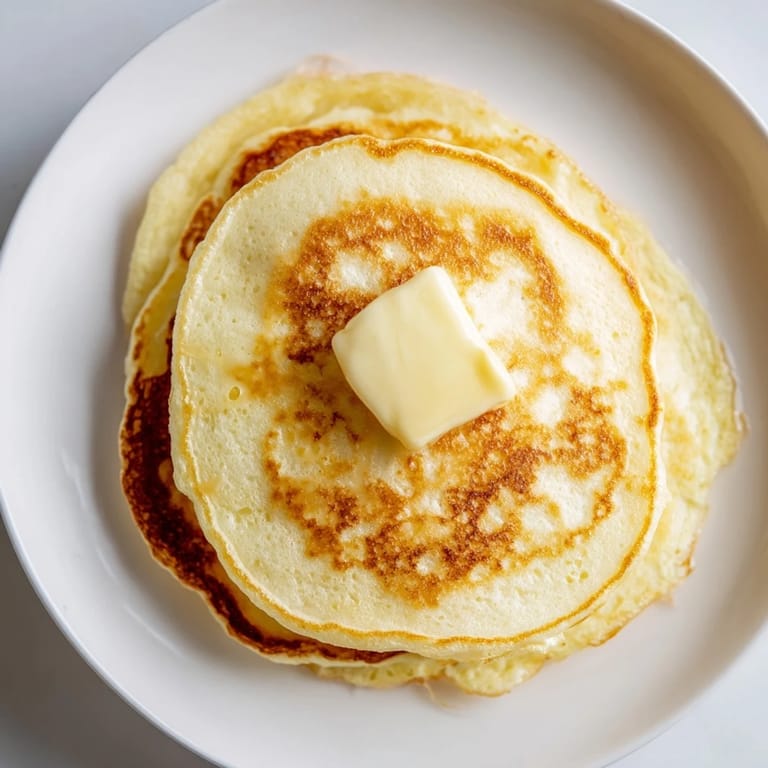
- Flip each pancake once and cook the other side for 1 to 2 minutes, until golden brown and cooked through. The second side cooks faster because the pan is hotter and the pancake is thinner.
- Keep them warm:
- Transfer finished pancakes to a plate and tent loosely with foil while you finish the batch. This keeps them warm without steaming them into a rubbery texture.
 Pin It
 There's a moment right before serving when the kitchen smells like butter and warmth, and everyone's gathered around waiting. That's when you know these pancakes worked—not because they're fancy, but because they drew people in.
Flavor Variations That Work
A pinch of cinnamon mixed into the dry ingredients adds warmth without changing the fundamental character of the recipe. Lemon zest brings brightness and cuts through the richness beautifully if you want something more spring-like. Almond extract in place of vanilla gives an unexpected nuttiness that pairs well with fresh berries. I've even tried a small handful of blueberries folded in at the last second, which creates little pockets of tartness throughout—just fold them in so gently that they don't break apart and bleed into the batter.
Toppings That Make These Shine
Fresh fruit is the obvious choice, but the real magic happens when you add something unexpected. A drizzle of honey over warm pancakes softens slightly and soaks into the crevices. Maple syrup is classic for a reason. Sour cream or Greek yogurt dolloped on top creates a cool contrast that's genuinely revelatory—it's like you've created a balance between indulgence and something lighter.
Making Ahead and Leftovers
These freeze surprisingly well, which means you can make a double batch on a lazy Sunday and have breakfast ready for busy mornings. Let them cool completely on a wire rack, stack them with parchment between each pancake, and store them in a freezer bag for up to two weeks. To reheat, pop one or two directly into the toaster, or warm them gently in a skillet with a touch of butter for the crispiest edges.
- Cool the pancakes completely before freezing to avoid steam and condensation.
- Reheat in a toaster for quick mornings, or in a skillet if you want them warm all the way through.
- Eat them within two weeks for the best texture—after that they start to get a bit dense.
 Pin It
 These pancakes have quietly become one of those recipes I make when I want breakfast to feel special but not complicated. They're the kind of dish that reminds you why cooking for people matters.
Recipe FAQs
- → What gives these pancakes their tender texture?
The addition of cottage cheese contributes moisture and a subtle tang, resulting in a tender and fluffy texture.
- → Can I substitute whole wheat flour for all-purpose flour?
Yes, whole wheat flour can be used for a heartier variation, though it may slightly alter the texture and flavor.
- → How do I prevent the batter from becoming tough?
Mix the dry and wet ingredients just until combined; overmixing can lead to a dense texture.
- → What cooking fat is best for these pancakes?
Unsalted butter or a neutral oil works well to achieve a crispy, golden surface without overpowering flavors.
- → Can these pancakes be prepared in advance?
They freeze well and can be reheated in a toaster or skillet for convenience without losing quality.