 Pin It
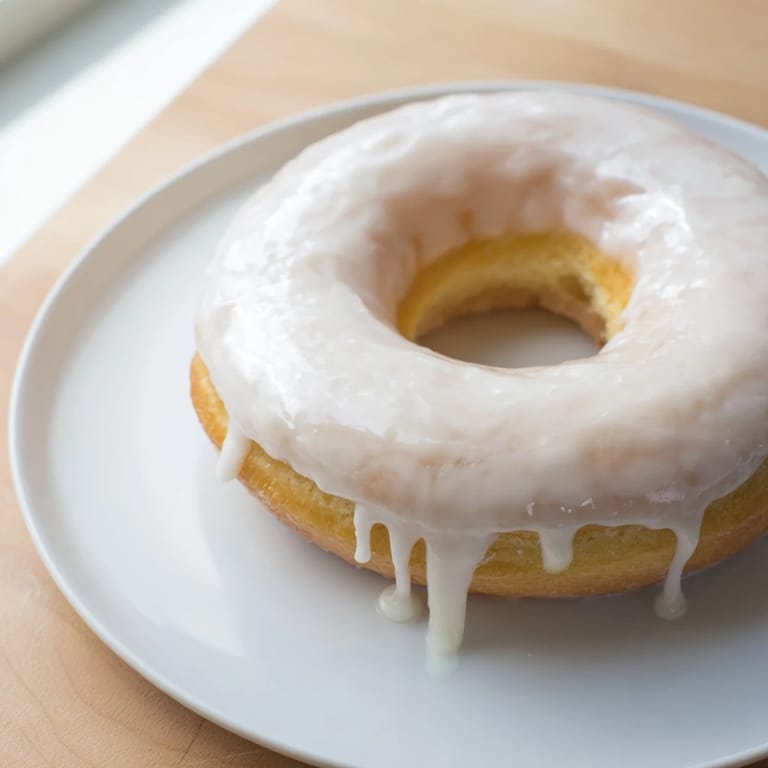
 There's something almost magical about the smell of yeast donuts frying in hot oil—it fills your kitchen with this golden, buttery warmth that makes everyone suddenly appear in the doorway asking what you're making. I discovered these years ago when a neighbor brought over a box of homemade glazed donuts, still slightly warm, and I couldn't stop eating them until they were gone. Now I make them myself, and honestly, the first batch taught me that homemade donuts aren't just better—they're a completely different thing from the store-bought versions.
I'll never forget the Sunday morning my kids helped me make these and somehow got powdered sugar everywhere—I mean everywhere—but their faces when they bit into that warm donut with the glaze still tacky was absolutely worth the mess. That's when I realized these aren't just a recipe; they're a memory-making thing, the kind of breakfast that people remember for years.
Ingredients
- All-purpose flour (3 1/2 cups): This is your foundation, and using a kitchen scale makes a real difference—it keeps your dough from becoming too dry or too sticky.
- Whole milk, warmed (1 cup): Warm milk wakes up the yeast and creates that tender crumb; if it's too hot, it kills the yeast, so aim for around 110°F.
- Unsalted butter, melted (1/4 cup): Melted butter incorporates smoothly and gives the donuts that rich, tender texture you're after.
- Granulated sugar (1/4 cup): A small amount sweetens the dough without making it cakey; it also feeds the yeast and helps with browning.
- Active dry yeast (2 1/4 tsp): This is the star that makes them rise into airy clouds—make sure yours isn't expired or they'll stay dense.
- Large eggs, room temperature (2): Room temperature eggs blend in smoothly and help create a tender crumb structure.
- Fine salt (1/2 tsp): Salt strengthens the gluten and balances the sweetness; don't skip it.
- Neutral oil for frying (2 quarts): Canola or vegetable oil keeps the flavor clean so the donut itself shines.
- Powdered sugar, sifted (2 cups): Sifting prevents lumps in your glaze, which makes the difference between silky and gritty.
- Whole milk for glaze (1/4 cup): This thinning liquid creates that perfect dip-able consistency that coats without drowning.
- Pure vanilla extract (1 tsp): Real vanilla matters here—it's the glaze's only flavor, so let it be good.
Tired of Takeout? 🥡
Get 10 meals you can make faster than delivery arrives. Seriously.
One email. No spam. Unsubscribe anytime.
Instructions
- Wake up the yeast:
- Combine your warm milk and yeast in a small bowl and let it sit for five minutes—you'll see it get foamy and bubbly, which is your signal that the yeast is alive and ready to work. If it doesn't foam, your yeast is dead and you'll need to start over.
- Mix the dry team:
- In a large bowl or stand mixer, whisk together flour, sugar, and salt so the ingredients are evenly distributed. This prevents pockets of salt or sugar that could throw off the flavor.
- Bring it together:
- Pour your foamy yeast mixture, melted butter, and room-temperature eggs into the dry ingredients and mix until a shaggy, sticky dough forms. Don't worry if it looks rough at this point.
- Knead into smoothness:
- On medium speed (or by hand for about 10 minutes), knead the dough for 5–7 minutes until it feels smooth, elastic, and slightly tacky but not sticky. You'll feel the dough transform under your hands.
- Let it rise:
- Place your dough in a greased bowl, cover with a damp towel, and find a warm spot—the top of the fridge, an oven with the light on, or a cozy corner—and wait 1–1.5 hours until it's doubled in size. You'll be amazed at how much it grows.
- Roll and cut:
- Dust your counter with flour and roll the risen dough out to about 1/2-inch thickness, then cut out donuts with a 3-inch donut cutter, twisting slightly as you push down to get a clean cut. Gather the scraps, gently knead them together, and reroll for a few more donuts.
- Second rise:
- Arrange your cut donuts and holes on a parchment-lined tray, cover loosely with a towel, and let them rise in that warm spot again for 30–45 minutes until they're puffy and pillowy. This is what creates that airy texture.
- Heat your oil:
- Pour your neutral oil into a deep fryer or heavy-bottomed pot and heat it to exactly 350°F—use a thermometer because this temperature is crucial; too cold and they'll be greasy, too hot and they'll brown before the inside cooks through.
- Fry with confidence:
- Working in batches so you don't crowd the pot, gently slip donuts into the hot oil and fry for about 1–1.5 minutes per side until they're golden brown all over. Use a slotted spoon to turn them gently and transfer them to a wire rack lined with paper towels.
- Make the glaze:
- Whisk powdered sugar (sifted so there are no lumps), milk, vanilla extract, and a pinch of salt together until you have a smooth, pourable consistency. If it's too thick, add a tiny splash more milk; if too thin, add a bit more powdered sugar.
- Glaze while warm:
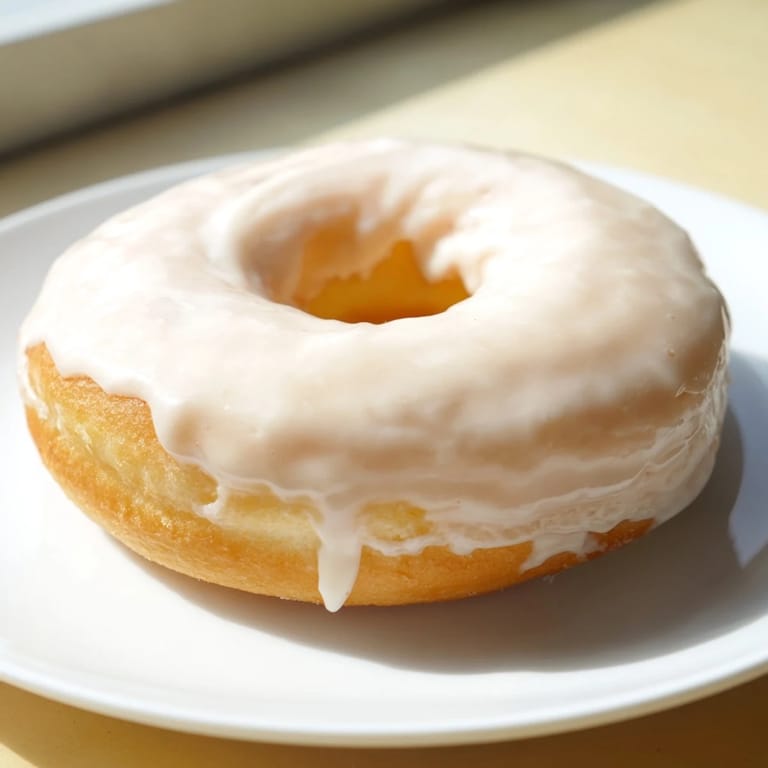
- Dip each slightly cooled donut into the glaze, let the excess drip off for a second or two, then place it on a clean rack to set. The warmth of the donut helps the glaze set into that beautiful, glossy finish.
 Pin It
 There was a morning last fall when I made these for a neighborhood book club, and watching everyone pause mid-conversation to close their eyes and savor a warm glazed donut—it reminded me that the simplest things, done with a little care, become moments people actually remember. That's what good food does.
The Magic of Timing
Yeast donuts are a lesson in patience, and honestly, that's part of their charm. The first rise builds structure and flavor, while the second rise after cutting is what creates that signature airy crumb. I used to rush this and ended up with dense donuts that felt more like bread than clouds. Now I treat the rising time as a gift—it's a natural pause in your day where you can step away, do something else, and come back to something better.
Troubleshooting Your First Batch
If your donuts come out dense, the yeast was likely dead or the rises weren't long enough. If they're greasy, your oil wasn't hot enough—this is the most common mistake I see. If the glaze is lumpy, you probably skipped sifting the powdered sugar, which I get, but it really does matter. The beautiful thing is that even a slightly imperfect batch of homemade donuts still tastes infinitely better than store-bought, so give yourself grace on your first attempt.
Flavor Variations to Try
Once you nail the basic recipe, the variations are endless and fun to experiment with. I've added grated nutmeg to the dough for a subtle warmth, swapped almond extract for vanilla in the glaze, and even mixed in a bit of citrus zest for brightness. The dough itself is a blank canvas—you could add cinnamon sugar, cinnamon roll filling, pastry cream, or jam without changing the fundamental technique.
- A tiny pinch of nutmeg in the dough gives a warmth that feels nostalgic without being obvious.
- Citrus zest (lemon or orange) in the glaze brings a brightness that cuts through the sweetness beautifully.
- If you want filled donuts, use a piping bag to inject jam or pastry cream into the center right after frying, while they're still warm.
 Pin It
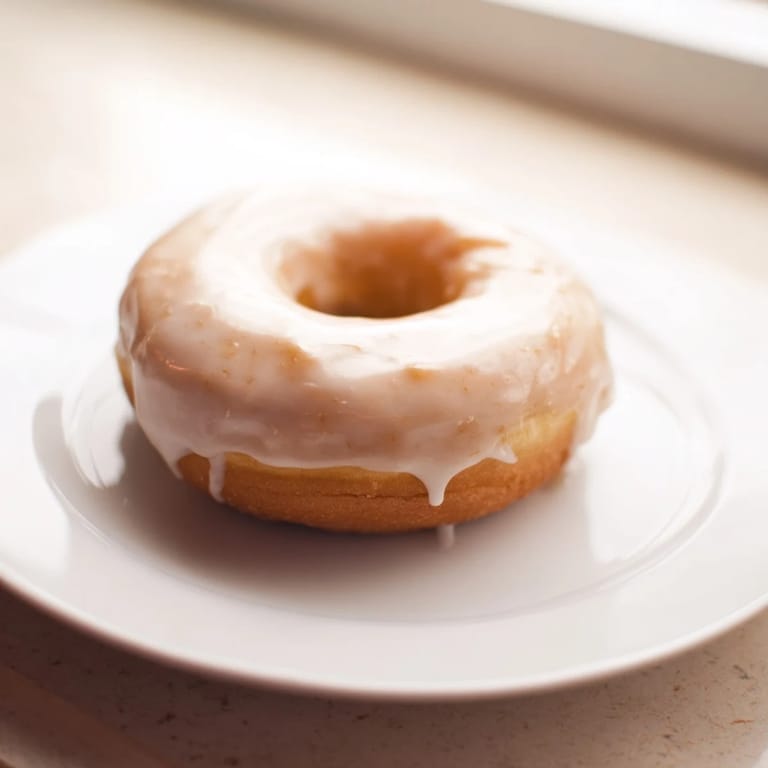
 These glazed yeast donuts are the kind of recipe that feels fancy but isn't—they just require a little time and attention. Make them for someone you love, and I promise the effort becomes the memory.
Recipe FAQs
- → How do I know when the yeast mixture is ready?
The yeast mixture should become foamy after about 5 minutes when combined with warm milk; this indicates the yeast is active and ready to use.
- → What temperature should the oil be for frying?
Heat the oil to 350°F (175°C) for frying; this temperature ensures the donuts cook evenly and develop a golden exterior.
- → Can I add flavors to the glaze?
Yes, you can enhance the glaze by adding almond extract or citrus zest for a variation in aroma and taste.
- → How long should the dough rise for best texture?
The dough should rise in a warm place until doubled in size, about 1 to 1.5 hours, allowing for a light and airy texture.
- → What type of oil is best for frying these donuts?
Use neutral oils like canola or vegetable oil to avoid overpowering the delicate flavors of the dough and glaze.