 Pin It
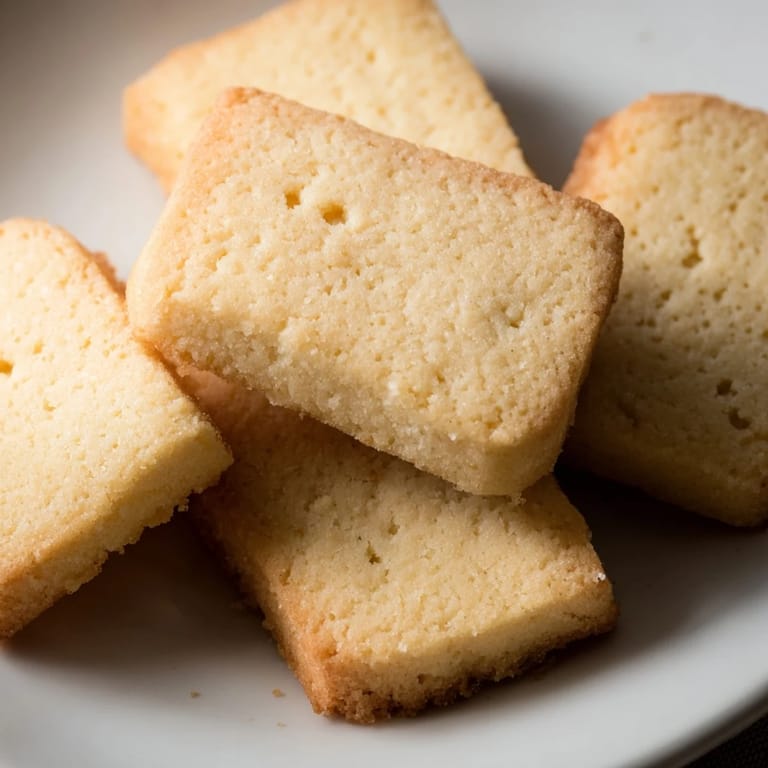
 My grandmother kept a tin of shortbread on the kitchen counter year-round, and I'd sneak pieces whenever I visited. One afternoon, she caught me red-handed and instead of scolding me, she pulled out her recipe card—stained with butter and decades of use—and taught me the secret: don't rush the creaming, and never, ever overwork the dough. That lesson changed everything about how I bake. Now when I make these cookies, I'm transported back to her kitchen, watching her weathered hands work the butter with such patience and care.
I made these for my sister's book club once, and they disappeared before the discussion even started. Everyone assumed I'd bought them from a bakery, which was the best compliment I could have gotten. Since then, they've been my emergency gift—something that feels personal and homemade without being stressful.
Ingredients
- Unsalted butter (1 cup, softened): This is where the magic lives—room temperature butter creams into a cloud, trapping tiny air bubbles that make the cookies light and tender.
- Granulated sugar (½ cup): The modest amount keeps these cookies from being overly sweet, letting the butter shine.
- All-purpose flour (2 cups): Measure by spooning and leveling, not scooping, or you'll end up with a dense brick instead of a crumbly dream.
- Cornstarch (¼ cup): This is the secret weapon—it replaces some flour to create that signature tender, melting texture that makes shortbread different from regular cookies.
- Fine sea salt (¼ tsp): Just a whisper to amplify the butter flavor without tasting salty.
Tired of Takeout? 🥡
Get 10 meals you can make faster than delivery arrives. Seriously.
One email. No spam. Unsubscribe anytime.
Instructions
- Set the stage:
- Preheat your oven to 325°F and line a baking sheet with parchment paper. A cooler oven is crucial here—it lets the shortbread bake gently and evenly, turning pale gold instead of brown.
- Cream butter and sugar:
- Beat the softened butter and sugar together for 3–4 minutes until the mixture looks pale, fluffy, and almost cloud-like. This step aerates the dough, which directly affects how tender your cookies will be.
- Bring the dry ingredients together:
- Sift the flour, cornstarch, and salt directly into the bowl. Gently fold everything together with a spatula or wooden spoon until just combined—this is not bread dough, so restraint is your friend.
- Press and shape:
- Transfer the dough to an 8x8-inch pan or press it into a ½-inch thick rectangle on your prepared baking sheet. The thickness matters because it determines how crisp or tender the final texture will be.
- Score and prick:
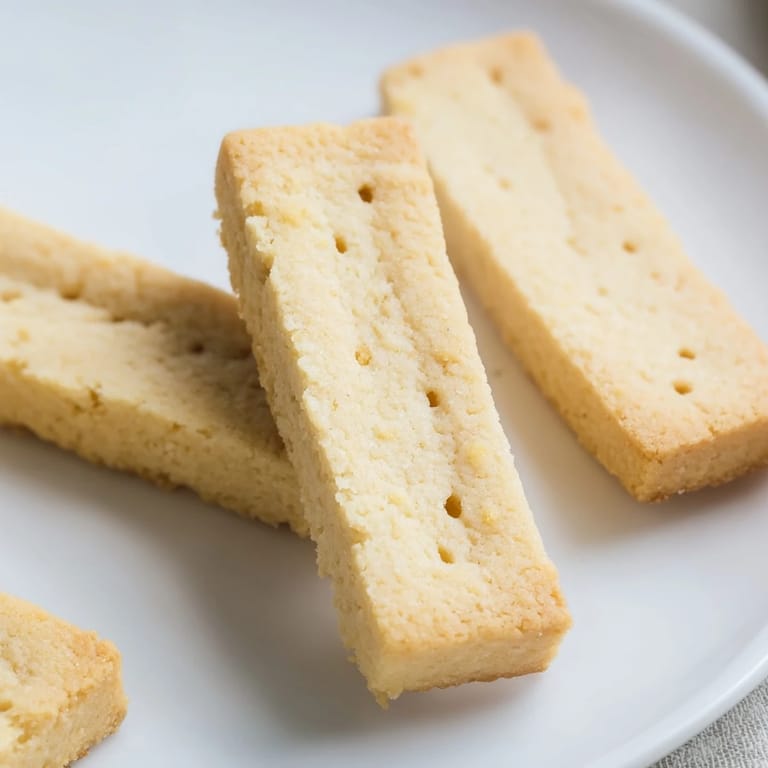
- Use a sharp knife to score the dough into wedges or fingers, then prick each piece lightly with a fork. This helps them bake evenly and gives them their characteristic rustic appearance.
- Bake with intention:
- Bake for 22–25 minutes, watching for pale golden edges while the center stays cream-colored. The moment they turn brown, you've overshot it.
- Cool and cut:
- Let them rest in the pan for 5 minutes so they firm up just enough to cut cleanly, then cut along the scored lines. Transfer to a cooling rack and let them cool completely.
 Pin It
 There's something almost meditative about pressing warm shortbread along scored lines, watching these humble ingredients transform into something that tastes like pure comfort. When my niece tried them fresh from the oven last summer, her eyes went wide, and she asked if I could make them every time she visited.
Flavor Variations to Try
The base recipe is perfect on its own, but it's also a blank canvas. A teaspoon of finely grated lemon or orange zest stirred into the dough adds a subtle brightness that feels sophisticated without overpowering the butter. If you're feeling more adventurous, a pinch of ground ginger or a scrape of vanilla bean paste brings warmth and depth. I've also dipped cooled cookies in melted dark chocolate, which transforms them into something almost decadent while keeping that melt-in-your-mouth simplicity intact.
Storage and Longevity
These cookies stay crisp and buttery for up to a week when stored in an airtight container at room temperature. I keep mine in an old tin my grandmother gave me, which feels right somehow. Keep them away from humidity and other strong flavors, and they'll stay fresh and crumbly exactly as intended.
Why This Recipe Works
Shortbread succeeds because of its restraint—just butter, sugar, flour, and a touch of cornstarch. There's nowhere for mistakes to hide, which is why technique matters so much. The low oven temperature prevents browning, the high butter-to-flour ratio creates tenderness, and the cornstarch replaces just enough flour to give that signature crumbly texture that makes these cookies addictive.
- Always use real butter—margarine or oil-based spreads won't give you the same rich flavor or texture.
- If your kitchen is warm, chill the dough for 15 minutes before baking for better results.
- These freeze beautifully for up to three months, so make an extra batch when you're ahead.
 Pin It
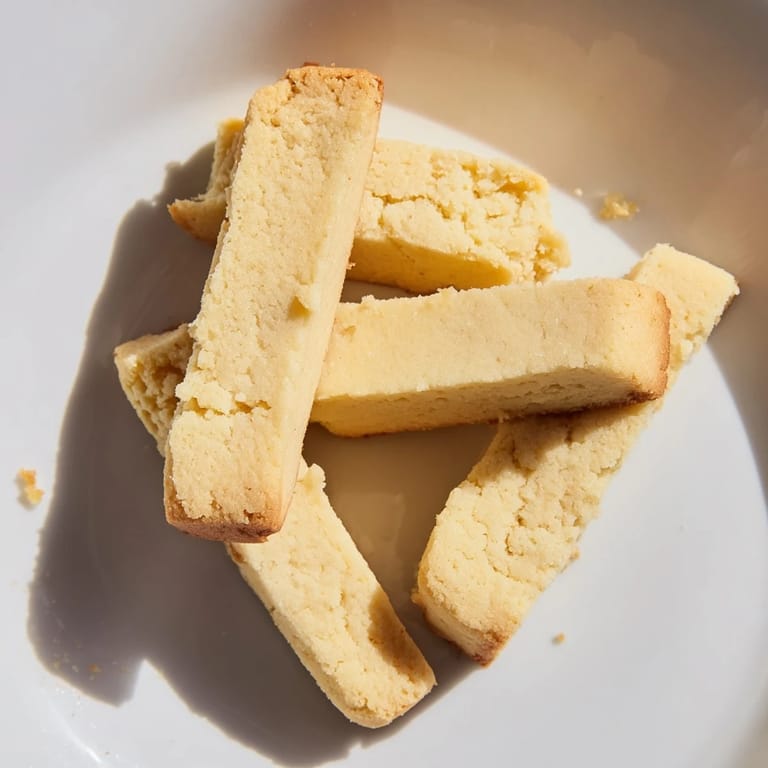
 These shortbread cookies are proof that the best recipes don't need to be complicated—they just need to be made with care and respect for the ingredients. Make them once, and they'll become a quiet favorite.
Recipe FAQs
- → What gives shortbread its crumbly texture?
The combination of unsalted butter, flour, and cornstarch creates the tender, melt-in-mouth crumbly texture typical of shortbread.
- → How can I avoid browning the shortbread edges?
Baking at a low temperature (325°F/160°C) and monitoring closely helps keep the edges pale and prevents overbrowning.
- → Can I add flavors to enhance the shortbread?
Yes, adding finely grated lemon or orange zest imparts a refreshing citrus note without overpowering the buttery base.
- → What's the best way to cut shortbread after baking?
Score the dough before baking into wedges or fingers, then cut along those lines while the shortbread is still warm to avoid crumbling.
- → How should I store shortbread to keep it fresh?
Store shortbread in an airtight container at room temperature for up to one week to maintain its tender texture.